
Health Coaching
A Comprehensive Approach To Understand Stress And Chronic Inflammation
Most health problems have one common root: chronic inflammation. Inflammation is the body’s natural response to stress, but when it becomes constant, it turns against us. Stress doesn’t just come from a demanding job. It can stem from poor nutrition, lack of movement, toxins in the environment, unresolved anxiety, or social isolation.
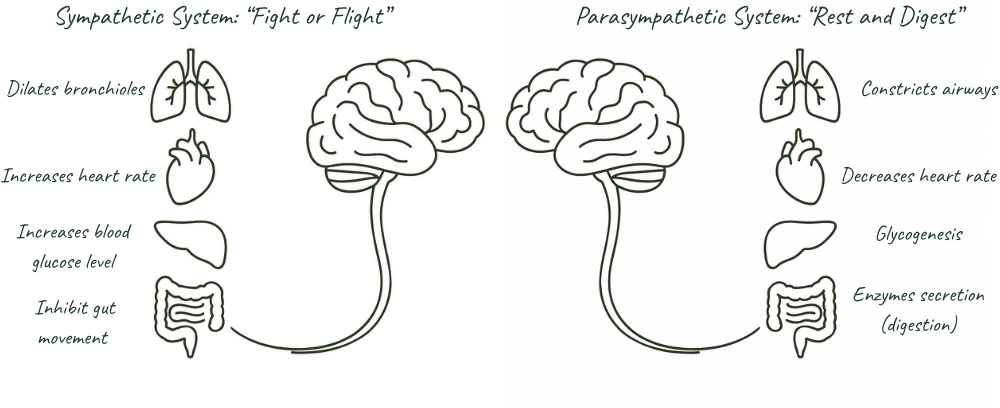
When your body is stuck in “fight or flight” mode, your nervous system runs at full speed. This state is designed to save you in emergencies, but living in it every day leaves your organs exhausted and your system out of balance. On the other side, there’s “rest and digest” — the state where the body repairs itself, digests food properly, and restores energy. Even the healthiest diet won’t have the impact it should if your body never leaves high-alert mode.
A comprehensive coaching approach looks at the full picture of your life, helping you identify hidden sources of stress, understand what’s missing, and rebuild balance. It’s about giving you the tools to regain control and upgrade your health in a sustainable, science-backed way.
A Health Coach To Achieve Your Goals
Most people already know what they should do: sleep more, move regularly, eat better, stress less. The challenge is knowing how to do it consistently, and understanding why the body and mind resist change.
This is where coaching makes the difference. A coach helps you turn vague intentions into clear, actionable steps that fit into your lifestyle, instead of fighting against it. Through accountability, support, and strategies rooted in behavioural science, coaching builds consistency until healthy habits become second nature. The process is not about restriction or punishment, it’s about creating real, lasting results while enjoying the journey.
Nutrition To Balance Blood Sugar
Food is a key pillar in this process, not just because of what you eat, but because of how it affects your nervous system and stress response. One powerful lever is blood sugar regulation. Spikes and crashes in blood sugar don’t just leave you tired or craving sweets, they also trigger stress hormones, worsen inflammation, and drain mental focus.
By working together on your nutrition, you’ll learn how to stabilise energy, reduce cravings, and support your body’s natural resilience. This solid foundation makes it easier to regulate stress, rebuild your relationship with food, and create space for new habits to take root. In other words: when your physiology works with you, the rest of your goals become much more achievable.
What Are The Symptoms Of Chronic Stress ?
Physical Stress Symptoms
Muscle tension and pain – neck, shoulders, back, jaw.
Headaches – tension headaches or migraines.
Fatigue – feeling constantly tired or drained.
Sleep problems – insomnia, restless sleep, or oversleeping.
Digestive issues – stomachaches, nausea, diarrhea, constipation, acid reflux.
Rapid heartbeat or palpitations – feeling your heart racing.
Chest pain or tightness – sometimes mistaken for heart problems.
Sweating – excessive or cold sweats.
Frequent colds or infections – weakened immune system.
Changes in appetite – overeating or loss of appetite.
Skin issues – rashes, acne, or eczema flare-ups.
Dizziness or lightheadedness – feeling faint or off-balance.
Shaking or tremors – especially hands.
Hormonal changes –
-
Elevated cortisol (stress hormone) → weight gain, especially around the abdomen, slower metabolism.
-
Altered sex hormones → reduced libido, irregular menstrual cycles in women, fertility issues.
-
Blood sugar changes → increased risk of diabetes or energy crashes.
Mental and Emotional Stress Symptoms
Anxiety – feeling nervous, tense, or on edge.
Irritability or anger – snapping at people or being impatient.
Depression or low mood – feeling sad, hopeless, or unmotivated.
Difficulty concentrating – brain fog or forgetfulness.
Racing thoughts – mind going in circles, overthinking.
Restlessness – inability to sit still or relax.
Feeling overwhelmed – like everything is too much.
Mood swings – sudden shifts in emotions.
Loss of interest or pleasure – in hobbies or social activities.
Cognitive Symptoms
Memory problems – forgetting important things.
Poor judgment – making rash or impulsive decisions.
Negative thinking – focusing on worst-case scenarios.
Difficulty learning or processing information.